Heating Engineer: Never Miss an Urgent Repair Request Again
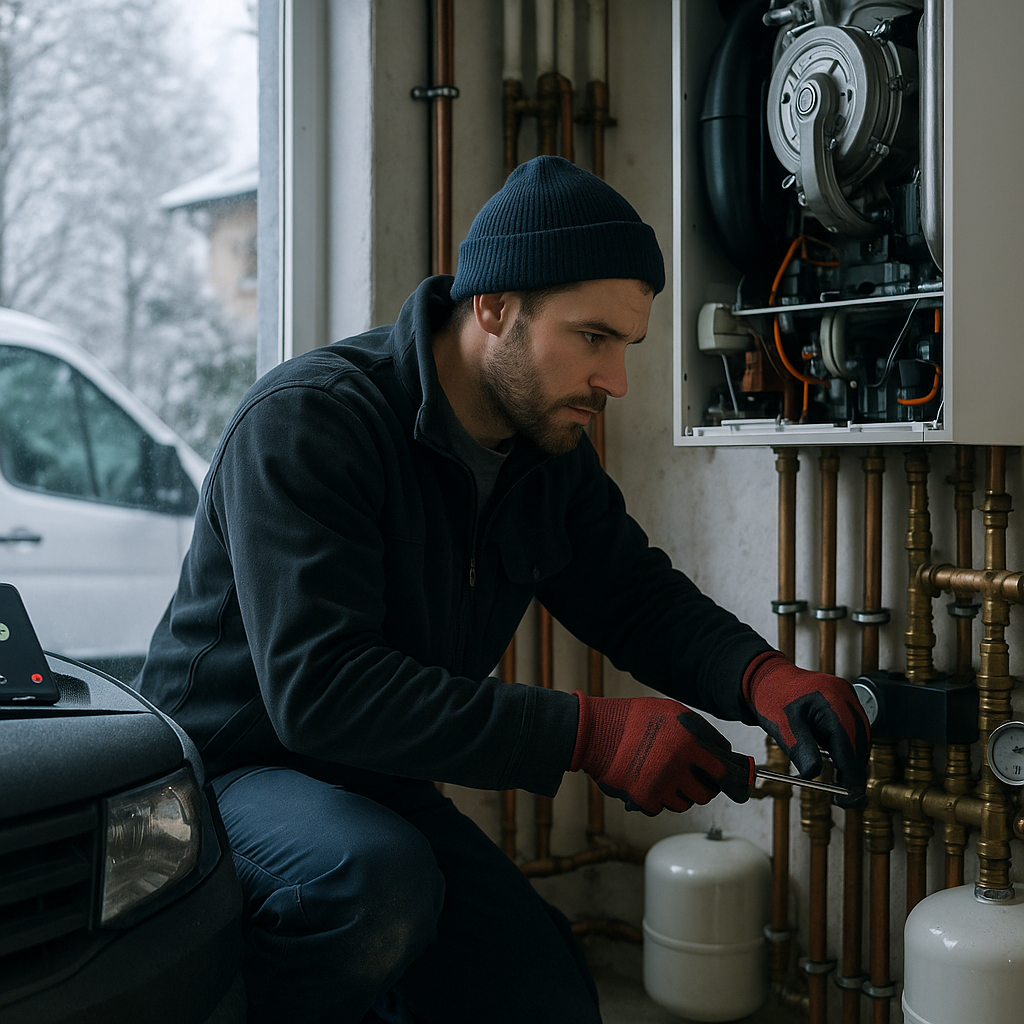
As winter hits, urgent repair requests soar. Ensure your customers always receive prompt responses by learning how Kalyvox can enhance your call management.
The Season of Emergencies: A Challenge for Heating Engineers
As winter sets in and temperatures plummet, heating engineers experience a sudden surge in phone activity. Picture John, a heating engineer in London, starting his day at 7 a.m. Before he can even sip his first cup of coffee, his phone buzzes incessantly: a broken boiler in Camden, a malfunctioning water heater for a retiree in Islington, and an urgent repair request for an entire apartment block left without heating. During winter, incoming calls can spike by 50% compared to the annual average, according to data from the Heating Industry Association. Managing this avalanche of calls presents a formidable challenge for John and his peers. The sudden increase in demand complicates scheduling, often forcing heating engineers to make difficult choices between urgency and priority.
First, the unpredictable nature of heating failures in winter complicates intervention planning. Heating engineers, often in the field, have little time to respond to each incoming call. But the magnitude of the problem extends beyond daily time management. In practice, each missed call can represent a significant loss of income. An independent heating engineer in Manchester, for example, might miss up to 15 calls a day during the winter peaks, each potentially translating into a job billed at $150. When these figures are multiplied over a week, it represents a potential loss of $9,000 per month. This means heating engineers must find solutions to prevent these revenue opportunities from slipping away. Some opt for temporary solutions like hiring additional staff to filter calls, but this can prove costly and inefficient.
This seasonal challenge highlights the need for more efficient call management systems. The season of emergencies isn't just about an increase in call volume but requires heightened responsiveness to maintain customer satisfaction. The next section will explore how missed calls directly affect the core of your business.
The Impact of Missed Calls on Your Business
During periods of high demand, every missed call can have lasting repercussions on a heating engineer's profitability. Consider the case of Sarah, a heating engineer in Birmingham, who recently noticed a decline in her maintenance contracts. Last winter, she missed about 20 calls a week, resulting in the loss of several potential contracts. According to a study by the UK Federation of Builders, an unanswered call can cost approximately £130 in terms of missed services and customer retention. For Sarah, this represented a monthly shortfall of about £10,000. These figures highlight the immediate impact on revenue, but also the longer-term effects on a company's reputation.
However, the consequences of missed calls aren't limited to immediate revenue loss. Each unanswered call is a missed opportunity to retain or acquire a customer. Clients unable to reach their heating engineer in times of need are likely to seek alternatives. Poor call management can thus erode a heating engineer's reputation and push customers toward more responsive competitors. Consequently, it becomes crucial to implement systems that effectively capture and process these calls. This loss of trust can result in a decrease in referrals, which often constitutes a significant source of new clients in the sector.
In summary, missed calls are not just an operational problem; they are a barrier to growth and business sustainability. The next section will discuss how the context of intervention complicates the availability of heating engineers to answer the phone.
Intervention: A Time When the Phone Is Neglected
When John, the London heating engineer, is in the middle of an intervention, he often faces a dilemma: focus on resolving the technical problem at hand or interrupt his work to answer the phone. Indeed, taking a call in the midst of a repair can not only disrupt the ongoing work but also compromise the quality of service delivered. According to a report by the Guild of Master Craftsmen, 70% of heating engineers consider the phone a significant source of distraction during interventions, which detracts from their efficiency. The time spent on each repair could thus extend by 20%, increasing wait times for subsequent clients.
This dilemma is particularly pronounced in emergency situations where concentration is essential. A heating engineer busy repairing a malfunctioning boiler in a building risks missing important calls if they choose not to be disturbed. Moreover, the time spent answering calls can prolong the intervention, thus generating dissatisfaction for the client present. Additionally, a heating engineer working alone often doesn't have the luxury of delegating call handling to a colleague or secretary. This creates a vicious cycle where backlog accumulates, making daily time management increasingly difficult.
Thus, the need for effective call management during interventions is undeniable. This is where an AI phone receptionist can offer a valuable solution. The next section will explore how these automated systems can revolutionize call management for heating engineers.
Case Study: A Garage Embraces AI to Handle Calls
The challenges of missed calls are not exclusive to heating engineers. Consider the case of a busy car repair garage in Glasgow, which faced similar issues with a deluge of customer calls, particularly during winter when car troubles are more frequent. The garage owner, Tom, found that his team was spending nearly 15% of their working hours managing phone calls, which significantly detracted from their productivity. Like many small businesses, they struggled with the decision to hire additional staff solely for call management, a costly and inefficient solution.
Tom decided to implement an AI phone receptionist to address these challenges. Within the first month, the garage saw a 35% reduction in missed calls and a notable increase in customer satisfaction. The AI system efficiently routed calls, offered appointment scheduling, and provided clients with immediate responses. This resulted in smoother operations and allowed Tom's team to focus more on their core tasks, enhancing service quality. This example underscores the versatile application of AI solutions across different industries, highlighting their potential to streamline operations and enhance customer engagement.
Towards Effective Solutions: The AI Phone Receptionist
Faced with the challenge of missed calls, heating engineers can turn to innovative solutions like the AI phone receptionist to optimize their communication management. These automated systems are designed to handle incoming calls, allowing heating engineers to focus on their core business without fearing missed opportunities. According to a 2023 McKinsey study, adopting AI phone receptionists has enabled businesses in the trades sector to increase their call response rate by up to 90%. This significant improvement demonstrates how technology can turn a constraint into a competitive advantage.
The features of a virtual assistant like Kalyvox include message taking, appointment scheduling, and call queuing, all while offering 24/7 availability. This means that even during an intervention, a heating engineer can be assured that every call is acknowledged and handled professionally. An AI phone receptionist can also provide detailed reports on call volume, helping heating engineers identify activity peaks and adjust their organization accordingly. Moreover, these systems can be programmed to answer calls with a personalized message, thereby reinforcing the company's professional and polished image.
In conclusion, implementing an AI phone receptionist is not just a technological solution but a genuine strategy for optimizing the business operations of heating engineers. Let's now address some frequently asked questions on this topic to clarify any remaining doubts.
FAQ
Why are missed calls so common among heating engineers?
Missed calls are common among heating engineers mainly due to the itinerant nature of their work. Often in the field for interventions, they cannot immediately answer the phone. Additionally, during seasonal peaks, the call volume increases significantly, making management difficult without assistance. This situation is exacerbated by the fact that heating is an essential and immediate need, prompting clients to make repeated call attempts until they receive a response.
What are the advantages of an AI phone receptionist over a traditional secretariat?
An AI phone receptionist offers constant availability, 24/7, unlike a traditional secretariat that typically operates on fixed hours. Furthermore, it allows for more flexible and personalized call management, with features like automated appointment scheduling and call data analysis, which may not always be possible with a physical secretariat. Additionally, AI can be integrated with other management systems to provide a comprehensive view of operations, thereby enhancing overall efficiency.
How can Kalyvox integrate into my heating engineer business?
Kalyvox integrates easily into a heating engineer's business thanks to its flexibility and adaptability to the specific needs of each company. It enables efficient handling of incoming calls, reduces the number of missed calls, and improves customer experience, all while freeing up time to focus on technical interventions. The intuitive user interface allows for quick onboarding, even for those unfamiliar with new technologies.
What is the cost of an AI phone receptionist for a heating engineer?
The cost of an AI phone receptionist varies depending on the features selected and the size of the business. However, competitive pricing options are available, and Kalyvox offers rates tailored for small and medium enterprises, ensuring a quick return on investment through reduced missed calls and improved customer services. Generally, the savings achieved through better call management more than offset the subscription fees.
Does using an AI phone receptionist comply with GDPR regulations?
Yes, using an AI phone receptionist like Kalyvox strictly complies with GDPR regulations. Customer data is handled with the utmost confidentiality, and robust security measures are in place to protect personal information, ensuring full compliance with legal requirements. Users can also access compliance reports to guarantee the transparency and security of the data processed.
Can AI phone receptionists handle language differences in customer interactions?
Absolutely, AI phone receptionists like Kalyvox are equipped to handle multiple languages, making them versatile tools for diverse customer bases. This feature is particularly valuable for businesses operating in multicultural cities or regions. By offering multilingual support, businesses can cater to a wider client base, enhancing customer satisfaction and expanding their market reach. The ability to seamlessly switch languages ensures that communication barriers are minimized, fostering stronger customer relationships.
Listen to the Kalyvox assistant in action
Call now
Free call · Local rate
Discover in 30 seconds how Kalyvox qualifies your prospects' calls.
Set up my assistant